

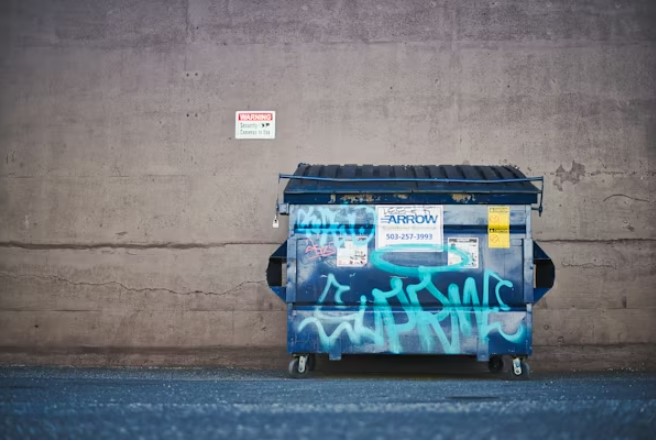

Renting a dumpster is an essential step in managing large-scale cleanups, renovations, or construction projects. Selecting the right dumpster ensures that waste disposal is efficient, cost-effective, and compliant with local regulations.
A poorly chosen dumpster can lead to overflows, additional fees, or logistical challenges. Understanding the types of dumpsters, sizing requirements, and rental considerations allows you to make an informed decision that suits both your project and your property.
Determine the Type of Waste
The first step in selecting a dumpster is identifying the type of waste you will be disposing of. Common categories include construction debris, household junk, yard waste, or mixed materials.
Certain items, such as hazardous chemicals, electronics, or tires, may require special disposal procedures. Knowing the type of waste ensures you rent a dumpster designed to handle your specific materials safely and legally.
Choose the Right Size
Dumpster sizes vary widely, typically ranging from 10 to 40 cubic yards. Smaller sizes are ideal for household cleanouts or minor renovations, while larger sizes are necessary for construction sites, major remodeling projects, or commercial cleanups.
Estimating the volume of waste accurately prevents overfilling, reduces extra fees, and avoids unnecessary rental costs. Rental companies often provide guidance based on project scope and waste type, helping you select the appropriate capacity.
Consider Location and Access
Where you place the dumpster is crucial. Ensure the drop-off location has sufficient space, a level surface, and clear access for the delivery truck.
Driveways, parking areas, or open yards are common placements, but it’s important to check local ordinances regarding street placement or permit requirements. Planning the location in advance avoids logistical issues and potential fines.
Review Rental Terms and Pricing
Dumpster rental prices vary depending on size, duration, weight limits, and type of waste. Some companies include delivery and pickup in the rental price, while others may charge extra for extended rental periods or overweight loads.
Carefully reviewing terms and comparing multiple rental providers ensures transparency and helps avoid unexpected costs. Ask about tipping fees, rental duration flexibility, and weight restrictions before committing.
Check for Permits and Local Regulations
Some municipalities require permits for placing dumpsters on streets or public property. Check local rules to ensure compliance before scheduling delivery.
Proper permitting not only avoids fines but also ensures that your project stays on schedule without delays from regulatory issues.
Assess the Reputation of the Rental Company
Choosing a reliable dumpster rental company makes the process smoother. Look for providers with positive reviews, clear communication, and a proven record of timely delivery and pickup.
A reputable company will advise on size selection, waste type restrictions, and safe placement, making your project more efficient and stress-free.
Plan for Duration and Pickup
Determine how long you will need the dumpster and schedule pickup accordingly. Leaving a dumpster for longer than necessary can incur additional fees, while premature removal may disrupt project workflow.
Coordinating delivery and pickup with the company ensures the dumpster is available exactly when needed and removed promptly once the project is complete.
Strategic Decision-Making for Efficient Disposal
Selecting the right dumpster for rent combines proper sizing, understanding waste types, compliance with local regulations, and choosing a reliable rental provider. By planning ahead and considering these factors, you ensure a smooth, cost-effective, and efficient waste management process for any project.