


Public spaces are meant for everyone to enjoy. But with large crowds, events, or daily traffic, chaos can arise quickly. Maintaining order and safety is crucial to ensure visitors feel secure. From city parks to shopping centers, organized spaces help prevent accidents and confusion. Simple strategies, smart planning, and the right equipment can make a big difference in keeping public areas safe and enjoyable.
Planning Layouts For Efficient Crowd Flow
Effective crowd management starts with planning the layout. Clear pathways, entrances, and exits help people move without congestion. Marked lanes or walking zones guide visitors naturally. Safety signs and visible barriers signal restricted areas. This planning reduces confusion and the risk of accidents. Ensuring smooth movement also sets the foundation for organized family events, where guests of all ages can navigate spaces safely and comfortably.
Using Retractable Belt Stanchions For Queue Control
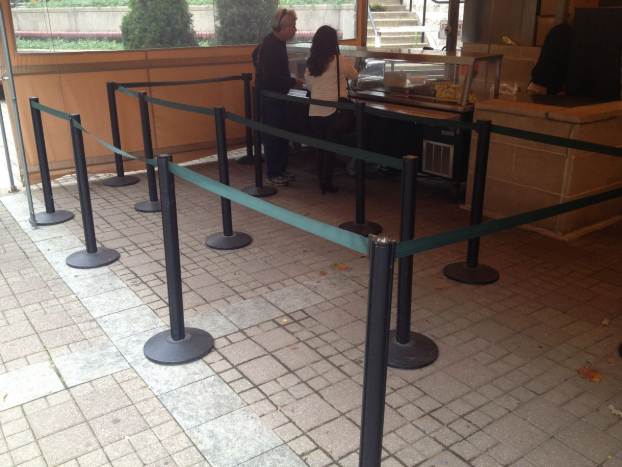
Retractable belt stanchions are portable posts with extendable belts used to guide crowds. They are ideal for forming orderly lines or restricting access in busy areas. These stanchions help manage crowds during festivals, fairs, or family events. Their flexibility allows staff to adjust layouts quickly. For family events, retractable belt stanchions provide a clear structure, helping children and adults know where to stand while keeping the event safe and enjoyable.
Assigning Trained Staff To Monitor Activities
Human supervision is as important as physical barriers. Trained personnel can respond quickly to emergencies, direct traffic, and enforce rules. Staff presence reassures visitors and prevents minor conflicts from escalating. At family events, having attentive staff ensures children remain safe, and adults feel confident navigating crowded areas. Combined with tools like retractable belt stanchions, staff can maintain both order and peace of mind efficiently.
Setting Up Clear Signage And Instructions
Signs are a silent but powerful tool in public safety. Clear instructions guide people on where to go and what to avoid. Directional signs, warnings, and rules reduce confusion. For family events, easy-to-read signs can indicate activity zones, restrooms, and first-aid stations. When paired with retractable belt stanchions, signage reinforces boundaries and guides guests smoothly, ensuring a controlled and safe environment.
Maintaining Hygiene And Emergency Readiness
Cleanliness and emergency preparedness are essential in public spaces. Regularly sanitized areas reduce health risks, especially in food zones or playgrounds. Emergency equipment, first-aid kits, and clear exits prepare organizers for unexpected situations. Family events benefit greatly from visible safety measures, which reassure parents and participants. Combining these precautions with organized queues using retractable belt stanchions keeps the space orderly and responsive to any incident.
Reviewing And Adjusting Safety Measures For Family Events
No safety plan is complete without regular review. Observing crowd behavior and identifying potential hazards allow organizers to improve layouts and rules. Feedback from visitors provides insights into what works and what needs change. For family events, adapting safety measures ensures future gatherings are even safer. Simple adjustments, like repositioning retractable belt stanchions or updating signage, keep the space dynamic and well-managed.
Conclusion
Maintaining order and safety in public spaces requires a blend of planning, equipment, and human oversight. From layout design to trained staff and clear signage, every element contributes to a controlled environment. Tools like retractable belt stanchions and proactive strategies enhance the experience for all visitors. When these measures are in place, family events and daily public gatherings become safe, enjoyable, and well-organized, allowing everyone to focus on fun and community rather than worry.